Broken Wheat( Dalia)

Dalia is loaded with a range of health benefits. It has long been a part of Indian cuisine for ages. Made with broken wheat, Dalia is easy to digest and is full of nutrition. It is high in fibre and is believed to be one of the best foods for weight loss.

Eating a bowl of dalia daily is helpful in losing weight. Dalia is loaded with fibre which will keep you satiated for long and thus help in weight loss. It is also low in calories.

Dalia is basically wheat with husk. Naturally, the husk makes this food rich in fibre, which cleanses the intestines and prevents constipation.

Dalia contains complex carbohydrates and is low in glycemic index. This ensures a steady release of glucose in the blood, which helps in managing blood sugar.

Due to high fibre content, it helps in maintaining the cholesterol level of the body and is healthy for the heart.
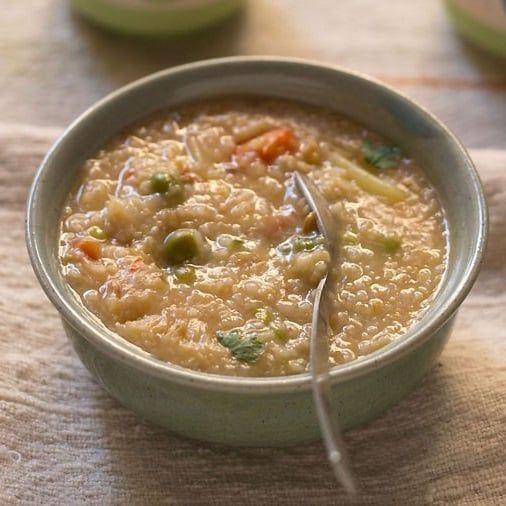
Dalia has been used traditionally as a weaning food for babies. Not just the fact that it is highly nutritious, but also because it is free from any strong taste and smell and mixes easily with milk and veggies, it is one of the best weaning foods ever.

Dalia is a natural source of B- vitamin, minerals, fibre and protein and is much healthier than packaged foods as it has no preservatives. You can also make interesting dishes with it and hence it is ideal food for growing children.

Why Eating Watermelon Is Good For You?

Sweet and juicy watermelon is a symbol of summer. At a glance, you might assume it’s mostly sugar and water. But once you dig in and discover its vast array of nutrients, you’ll be surprised how many potential health benefits it has.

Watermelon rinds have less sugar and more fiber than their flesh and also contain citrulline. Watermelon seeds – dried or raw – rich in magnesium and folate, which help your body work well and avoid disease.

Watermelon is 92% water, so it’s an easy way to hydrate and support your body. Try eating a little watermelon sprinkled with salt after physical activity or a strenuous workout to replenish your body’s electrolytes and carbohydrates.

Watermelon can be a great option if you are trying to maintain or achieve a healthy weight, and resist the temptation of higher calorie sweet snacks. Because it contains so much water, watermelon has few calories and can make you feel full for longer.

Watermelon has more lycopene than any other fruit or vegetable – including tomatoes. It’s also the highest source of the amino acid citrulline, which produces a molecule called nitric oxide that helps relax blood vessels.

Watermelon’s generous dose of vitamin C (ascorbic acid) supports your immune system, which fights germs and infection.

Vitamin C in watermelon helps your body produce collagen, which supports your immune system, the health of your cells and your ability to heal from injuries. Collagen gives strength and elasticity to your skin and helps replace dead skin cells. This means eating watermelon could improve your skin and show age- related effects.

Benefits of Makhana (Fox nuts or Lotus Seeds)

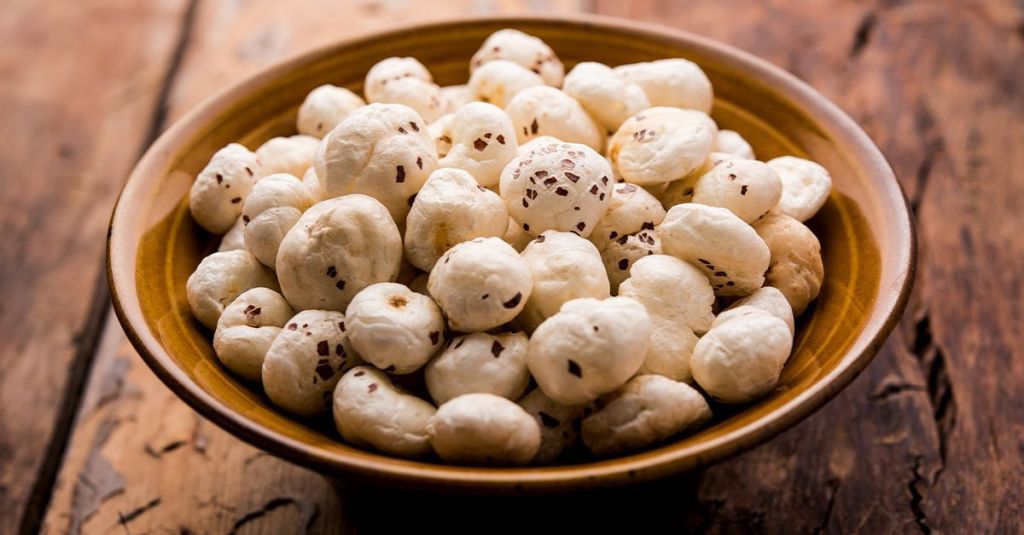
Makhana is a type of seed derived from the Euryale Ferox plant. They’re also sometimes referred to as fox nuts or lotus Seeds. Makhanas are widely cultivated throughout Asia and often used in traditional forms of medicine to treat various conditions.

Makhana is an excellent source of several important nutrients and makes a great addition to a healthy, well rounded diet. It contains a good amount of carbs in each serving and is also rich in several micronutrients, including calcium, magnesium, iron and phosphorus.

Makhana is rich in various antioxidants, which are compounds that help neutralize harmful free radicals and prevent oxidation stress.

Adding makhana seeds to your diet is a great way to boost your intake of protein and fibre- two key nutrients that may benefit weight loss. Protein has been shown to reduce food cravings and help regulate your appetite. Meanwhile, fibre moves slowly through your digestive tract to keep you feeling full during the day.

One of the most popular ways to prepare makhana involves roasting the seeds and seasoning them with your choice of herbs and spices, such as sea salt, turmeric, chilli powder, or black pepper. It can be roasted and enjoyed as a savory snack or added to desserts.

Benefits Of Eating Cucumber!

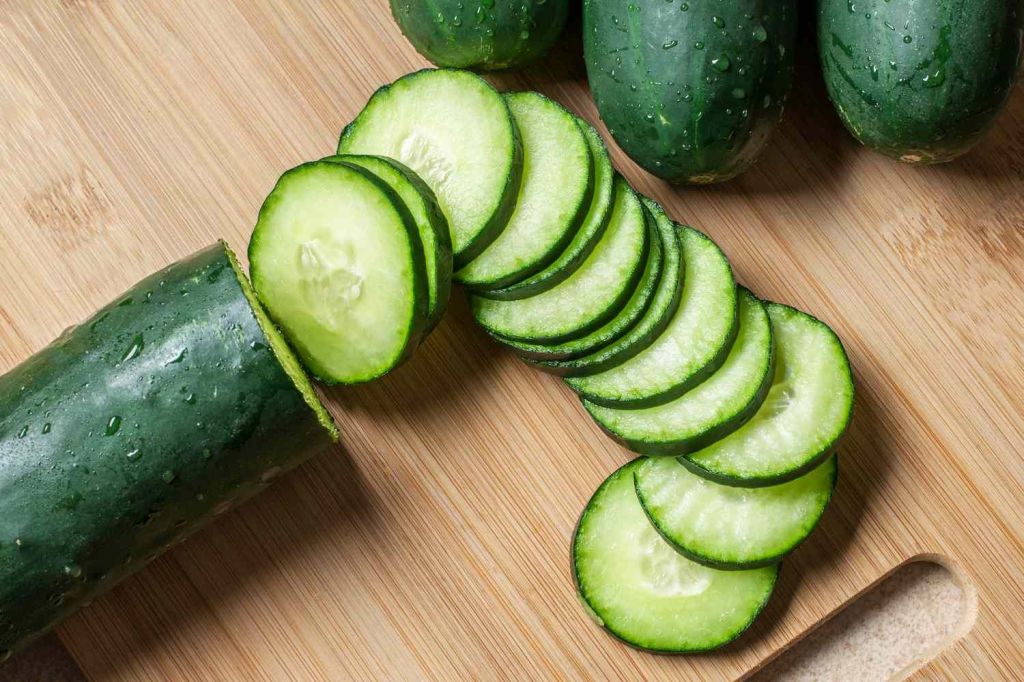
Cucumber is a nutritious fruit with a high water content. Eating cucumbers may help lower blood sugar, prevent constipation, and support weight loss. To maximize cucumber’s health benefits, eat the peel,too.

It’s high in beneficial nutrients, as well as certain plant compounds and antioxidants that may help treat and even prevent some conditions.

Cucumbers are also low in calories and contain a good amount of water and soluble fibre, making them ideal for promoting hydration and aiding in weight loss.

Cucumbers are low in calories but high in many important vitamins and minerals. Cucumbers also have a high water content. They’re made up of about 96% water. To maximize their nutrients, cucumbers should be eaten unpeeled. Peeling them reduces the amount of fiber, as well as certain vitamins and minerals.

Cucumbers could potentially help you lose weight in a few different ways. This means you can eat plenty of cucumbers without packing on the extra calories that lead to weight gain. Furthermore, the high water content of cucumbers could aid in weight loss as well.

Dehydration is a major risk factor for constipation, as it can alter your water balance and make the passage of stool difficult. Cucumbers are high in water and promote hydration. Staying hydrated can improve stool consistency, prevent constipation, and help maintain regularity.

Drinks For Summer!

Come summers, temperature begins to soar high leaving everyone feeling fatigued, sweaty and messed up. Staying hydrated is the most important factor to keep going in this sweltering heat and maintain good health. Your body tends to lose water at a faster pace due to excessive sweating.

While water is the utmost important drink to quench thirst, you can try some other summery beverages that not only satisfy your thirst but also keep your body cool.

As we welcome summers, let us refresh and replenish our body with some of the best summer beverages in order to beat the heat.

1. Aam Panna

One of the perks of living in a tropical nation like India is the opportunity to indulge in mango based summer drinks, of which the flavour packed aam panna undoubtedly has the widest appeal. The drink that tastes of nostalgia, the enticing sweet- sour-spicy flavours of fresh kairi (raw mango) panna is especially popular in Northern Western India.

2. Jal jeera

Summertimes are synonymous with the incredibly refreshing jal jeera (also called shikanji in some places) , a lemonade given a flavourful twist by simple spices like roasted cumin, pepper and black salt. It is especially popular in north India where one can often spot handcarts with giant clay matkas on the street, selling chilled kal jeera garnished with mint leaves and boondi.

3. Bel Sharbat

A seasonal summer fruit with nutritional goodness, Bel (Wood Apple), also known as Bellada Hannu in Kannada and Maredu in Telegu, is said to cure everything from heatstroke and upset tummy to dehydration and diabetes. Once you’ve broken through its woody outer shell, soak the pulp in water, and add jaggery and lemon juice to create a simple but potent cooler.

4. Lassi

Lassi is one of the famous summer cooler of Punjab.This smooth and creamy yogurt based refreshment is considered to be an amazing summer cooler. The best part is, you can add many variations to it, from classic to mint, avacoda, mango to banana walnut lassi and more.

5. Sattu Sharbat

Sattu sharbat is one specialty from Bihar that keeps the body cool even during the sunniest day. It is made with sattu flour, black salt, water and also may add chilles, onion ,lemon juice and coriander leaves for a delicious taste. It’s not only refreshing but also a great source of energy.

Can eating cabbage turn fatal ?

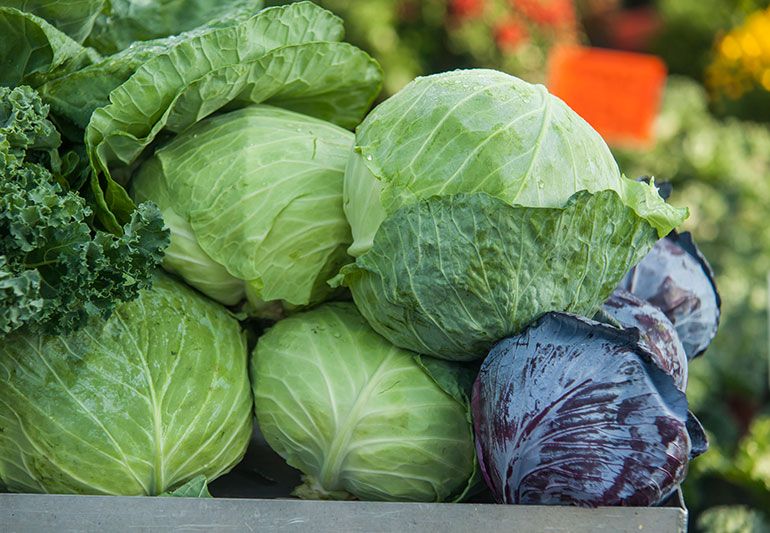
Cabbage is a common vegetable consumed in almost every household, but there are many misconceptions and myths associated with this cruciferous vegetable.


As per the common myth, it is believed that eating raw cabbage can lead to the development of tapeworm, which can alter the nervous system and infect the brain with Neurocysticercosis.

However, experts suggest that Neurocysticercosis causing tapeworms usually enter the body and brain due to improper and unhygienic conditions like open defecation in the farms and consumption of uninspected pork, which may turn fatal in case of ignorance.

Neurocysticercosis is basically a parasitic infection of the central nervous system that enters the body due to the pork tapeworm Taenia solium.This tapeworm may infect humans in case of eating undercooked food and observing poor hygiene practices.

According to experts, open defecation in farms is one of the main reasons that can lead to tapeworms and the easiest way to deal with this is by cleaning the veggies and leafy greens thoroughly and cooking them properly. It can be concluded that eating cabbage does not lead to breeding of tapeworms in the brain and body. However, this may happen with any vegetable cultivated under unhygienic conditions, thus it is essential to thoroughly clean the veggies and then consume them.

Soya Chunks!

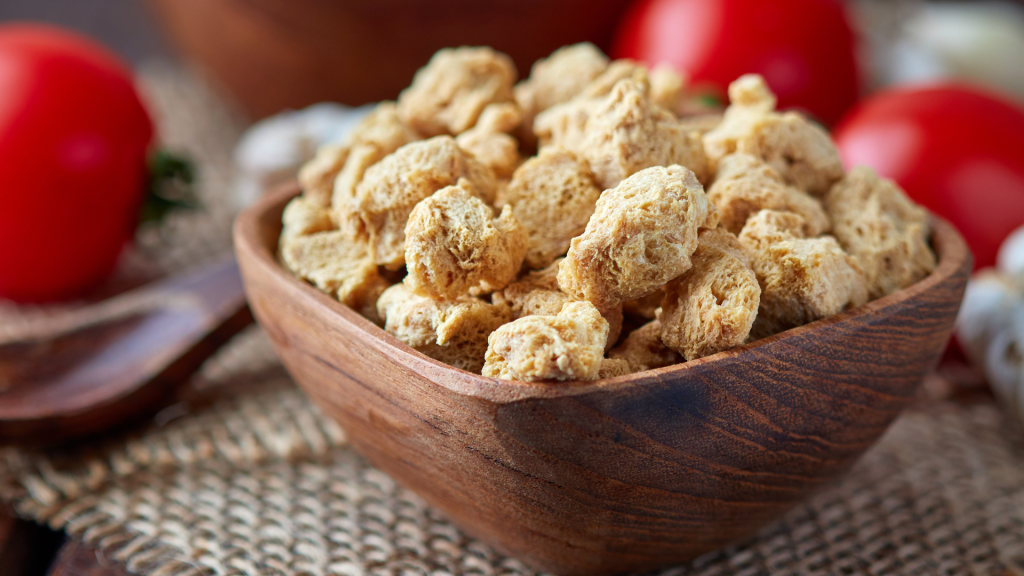
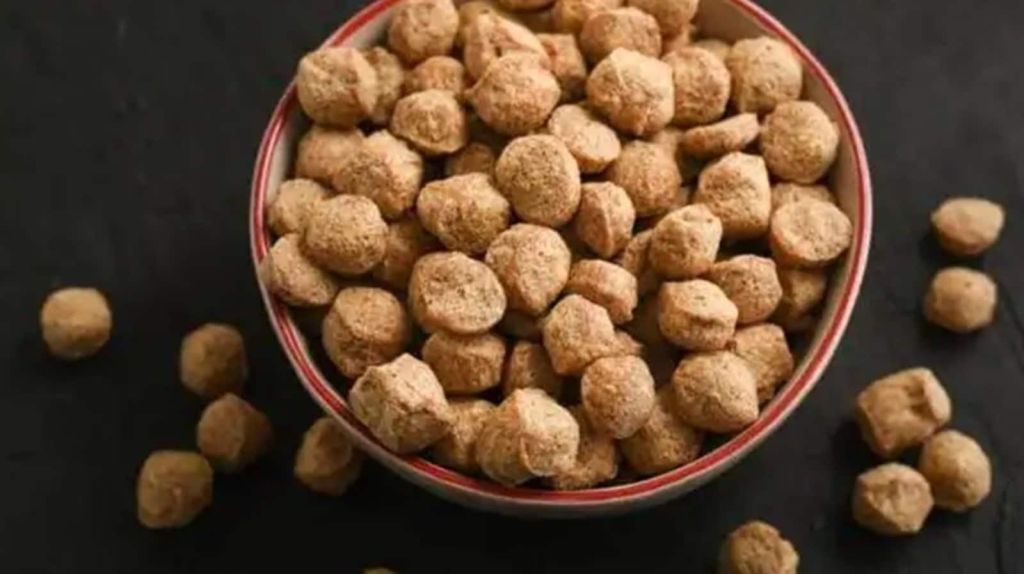
Soya Chunks are textured vegetable protein (TVP) or textured soy protein (TSP). Extraction of beans gives soyabean oil. The by -product that is left behind is called soy flour. Incidentally, this flour led to the formation of soya chunks.

Since all the oil is removed,the flour is defeated. So,soya chunks are ideally fat- free. The protein in soya chunks is on par with real meat. Moreover,they are low in fat and are pocket friendly. Hence, they get their name as ‘Vegetarian’s meat’.

This unique plant based protein is known to reduce body weight and fat mass. The fibre content in soya chunks keeps hunger at bay. In addition, they can keep you full for long hours. Thus when taken in correct proportion, soya chunks can aid in your weight loss journey.

Soya proteins are largely beneficial to humans, however consumption over the recommended amount can cause adverse reactions. In a review, it was observed that soy protein may have effects on endocrine glands , toxic effects on kidney and liver, and may have many other effects. Therefore, it is necessary to be very cautious while taking soya chunks in large quantities.

Yoga And Meditation

Yoga is an ancient spiritual practice from India that uses breath control, physical exercise, and meditative postures. The practice of yoga uses “asanas” or various physical poses to achieve a divine connection with the universe. In fact, the word yoga means “union” in Sanskrit. Some people refer to yoga as meditation, where you calm your mind and create awareness through doing the poses.

Meditation or “dhyana” is also part of yoga. Like the physical practice of yoga, dhyana also forms a profound connection with the universe by doing mental exercises to bring you to a higher state of consciousness.

Some of the benefits of yoga meditation:

1. Yoga meditation is associated with increased mindfulness and an improved mood. In one study, people who practiced yoga and yoga meditation had better mental health, more profound spiritual well-being, and fewer depressive symptoms than people who didn’t do these practices.

2.The breathing in yoga meditations helps to change your brain waves from excited to relaxed. When you slow your brain waves down, your mind can become clearer, and your brain health can improve.

3.Yoga and meditation both reduce stress by promoting physical and mental relaxation. When you’re relaxed, you activate a part of the nervous system called the parasympathetic nervous system. This helps to lower your heart rate, blood pressure, and levels of stress hormones like cortisol. When you reduce stress, you decrease inflammation throughout your body, as well as anxiety. This leads to overall health, especially for your heart

4.Yoga meditations may help you sleep better, which also helps decrease stress, stress-related anxiety, depressive symptoms, and inflammation

5.Yoga and meditation improve your self-awareness and self-compassion, which can help relieve sad or heavy emotions.

Alternatives to Coffee!

Coffee is the go-to morning beverage for many, while others choose not to drink it for a host of reasons.


For some, the high amount of caffeine can cause nervousness and agitation, also known as “the jitters.” For others, coffee can cause digestive distress and headaches.

Many simply don’t care for the bitter taste or are bored with their usual morning cup of joe.

Here are delicious alternatives to coffee you can try.


1. Matcha tea
Matcha is a type of green tea made by steaming, drying and grinding the leaves of the Camellia sinensis plant into a fine powder.

In contrast to brewable green tea, you consume the whole leaf. For this reason, you’re getting a much more concentrated source of antioxidants — epigallocatechin gallate (EGCG), in particular.

Many of the proposed benefits of matcha are attributed to EGCG. For example, observational studies suggest regularly green tea consumption may reduce your risk of high blood pressure.

Green tea has also been associated with reduced weight and body fat, as well as a lower risk of type 2 diabetes.

Matcha has a fresh flavor, which some describe as earthy.


2. Golden milk
Golden milk is a rich, caffeine-free substitute for coffee.

This warm beverage incorporates invigorating spices such as ginger, cinnamon, turmeric and black pepper. Other common additions include cardamom, vanilla and honey.

Besides giving your drink a beautiful golden color, turmeric may have powerful anti-inflammatory properties due to the potent chemical curcumin.

What’s more, black pepper increases your body’s ability to absorb curcumin, as does fat. Therefore, you may want to consider using whole milk versus fat-free for this drink .


3. Lemon water
Switching up your morning beverage doesn’t have to be complicated. Lemon water is a great way to start your day.

It’s calorie- and caffeine-free and provides an ample dose of vitamin C.

As an antioxidant, vitamin C plays a role in your immune system and protects your skin from sun damage. It’s essential for creating collagen, a protein that provides the basic structure for your skin, tendons and ligaments.

Just one glass of lemon water — prepared by adding the juice of half a lemon (1 tablespoon or 15 ml) to 1 cup (237 ml) of cold water — provides 10% of your RDI for vitamin C .

You can also add other fruits and herbs for a variety of flavors — cucumbers, mint, watermelon and basil are some popular options.

Do Not Avoid Carbohydrates!

Carbohydrates (or carbs), are one of the hidden pitfalls when it comes to losing weight, and why? Because they make you gain extra pounds without even being aware of it!

With today’s media coverage on living healthier, there have been plenty of myths thrown around warning the public to watch out for this, and stay away from that! One of the most frequent myths is that if you really want to lose weight then you must avoid carbohydrates. People today are auspicious and scared to eat anything that has ‘carbohydrates’ on the label. They have come to believe the item will make them gain weight and therefore spoil all their hard work at losing it.

Avoiding carbohydrates is a really bad dieting strategy. They are in fact one of the fundamental ingredients used by the body for it to function properly, i.e.,they give it energy, and a well-functioning body is better able to help you lose weight than one that is not.

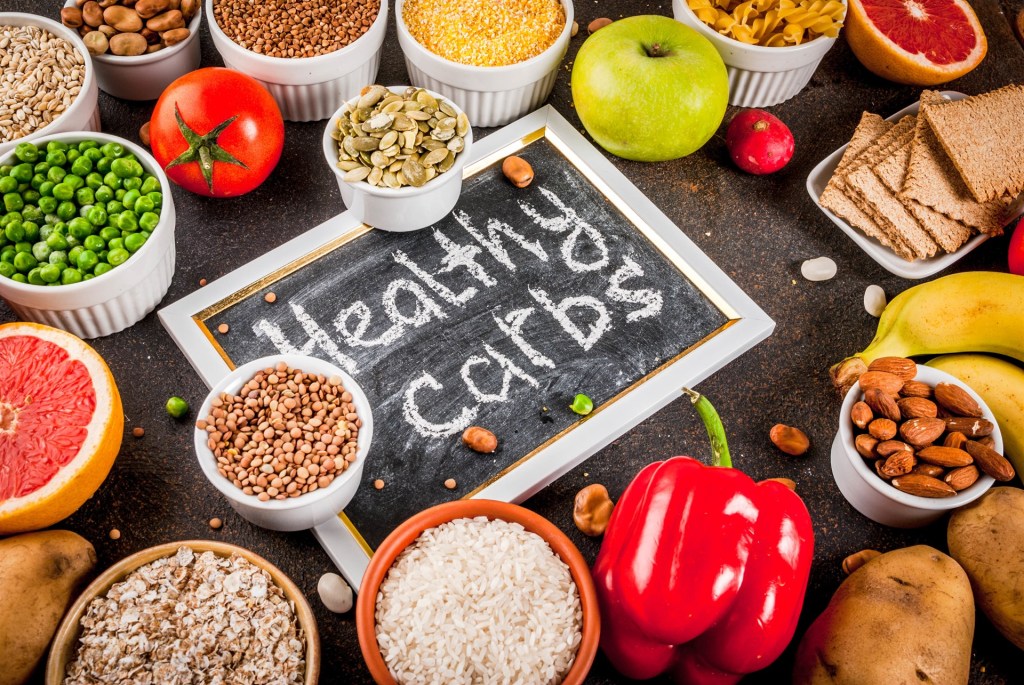
Carbohydrates are typically divided into two different types, known as simple and complex, or sugar and starch.

Simple Carbohydrates (simple sugar)- The refined ones include sugars found in fruits, honey, malt products, milk, and vegetables, but also in less nutritious foods like refined sugars ( the white sugar we buy at the supermarket), and ice creams etc.

Complex Carbohydrates (starches)- The other type of carbs is the natural unrefined type, known as complex carbohydrates. These include starches which are found in foods such as grain products,i.e.,bread,crackers,pasta,rice,some fruits, and leguminous plants.

It’s probably fair to say that most refined carbohydrates are jam packed with energy but contain very little nutrition, while the majority of unrefined carbs are the much healthier options, and should be included as a part of your healthier diet.

When you eat carbohydrates they are broken down into something called glucose. Glucose is a simple sugar and an important source of energy for the body. It really is a crucial nutrient that must enter the cells. You might already know that your cells are responsible for keeping your body functioning properly.

A healthy diet should contain at least 50% of unrefined carbohydrates and the rest should come from protein. Don’t forget to include fat as well as Polyunsaturated sources. None of the ingredients are of any use without carbohydrates, because they must exist in order to hold it together, make it strong, and truly functional.

So, don’t buy into the myth that carbs are something to be avoided, because it’s just not so!

Design a site like this with WordPress.com
Get started